How To: Editorial Photography
A step by step guide for beginner photographers...
Ever dreamt of seeing your photos in a magazine? I did too, and at the time when I was first starting photography, that goal seemed so out of reach. But now, years down the road, I have learned some tricks to get your photos published both online and in print, and it's easier than you think. The fashion world has an air of exclusiveness to it, as if the people within it are out of touch with reality - I like to call it "The Bubble." A place, within a place, within a place, the fancy dresses and clean faces all belong to major cities: New York, Paris, London, Tokyo, LA. The internet, belongs to "The Bubble" too, it houses underground cultures that you wouldn't else find unless crawling through bars in the Lower East Side of NYC. New York Fashion week was where it all started for me. I was 19 years old, standing outside of MilkStudios (the hot location for fashion shows) wearing heels, a bright red jump suit, and my signature hot pink eyeliner. It was the first time I had been so close to the world I had only seen in Vogue and Elle, and I so desperately wanted to be a part of it. I had no means of being there, no private invite, no pre-purchased tickets, I didn't know anyone inside that venue and I sure as hell didn't know that the attention I grabbed from paparazzi outside of the building would grant me immediate access into the show. So that leads me to tip number one.Tip #1: FAKE IT TILL YOU MAKE IT.
Dress the part. Look the part. Act the part. Confidence can get you to places that timidness could never. Be your own best friend, your own advocate, your own wing man, if you are uncertain about something - pretend you're not, and most often than not, everyone around you will believe you are a genius on the topic. So I looked at New York Fashion Week as a game to play, I dressed up, played the part, and somehow convinced everyone that my name was Irina and that my best friend was the set designer for the 2019 Priscavera show. I thought I got lucky that time around, until I did the same thing the next day and ended up front row at a Telfar show. Those experiences led me to the "Pit" where I would meet other fashion photographers and eventually bring my own camera to take photos of the different fashion shows. The shine wore off eventually though, I ended up bored with the shows, everything was the same, the people holding phones up for hours all began to feel a bit too Black Mirror for me. I turned away from fashion shows and met my now mentor, a fashion photographer named Isabella who is based in Manhattan, NYC. I worked as her intern and photo assistant for a couple years while in college at Parsons School of Design, and during my time with her, I learned the art of creating a team.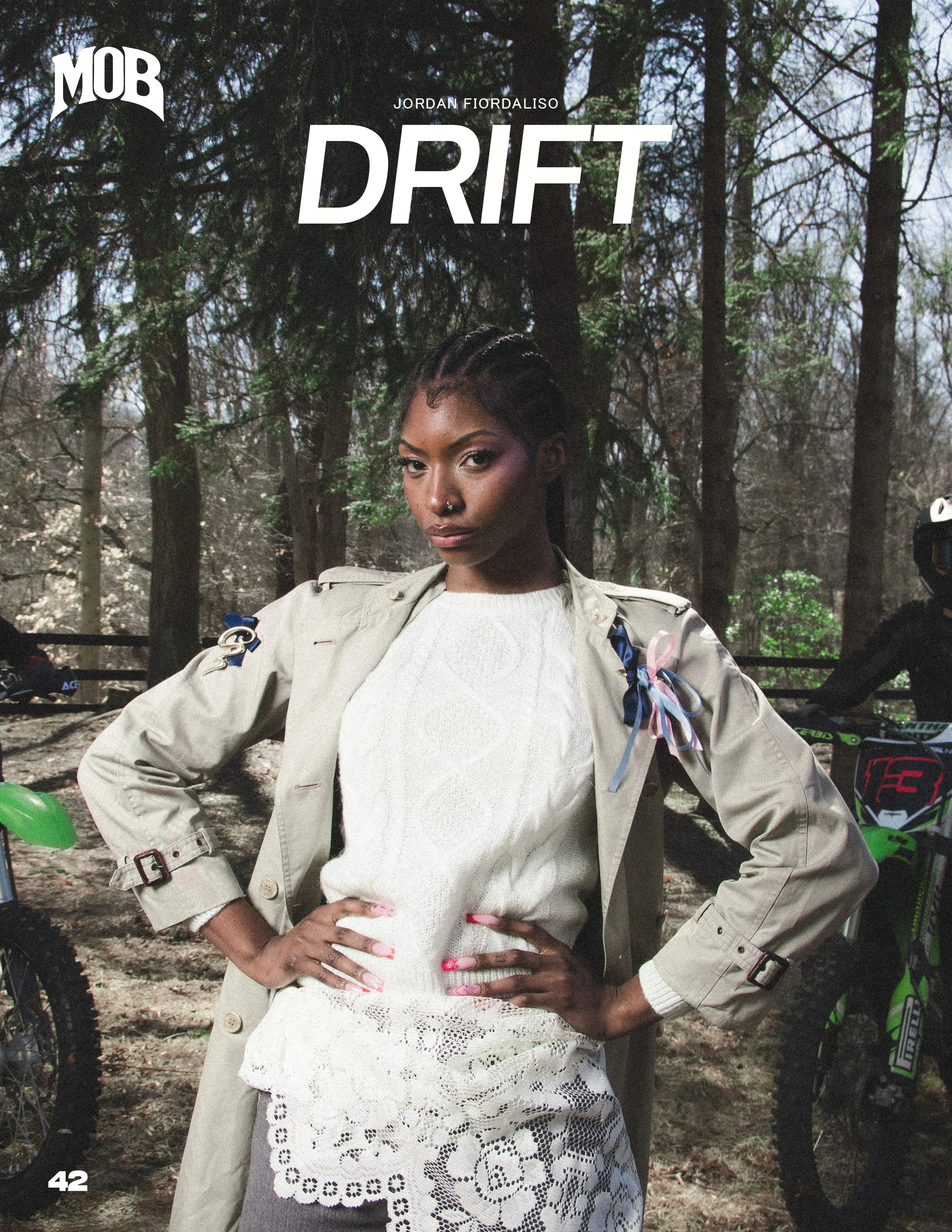
Tip #2: CREATE A TEAM.
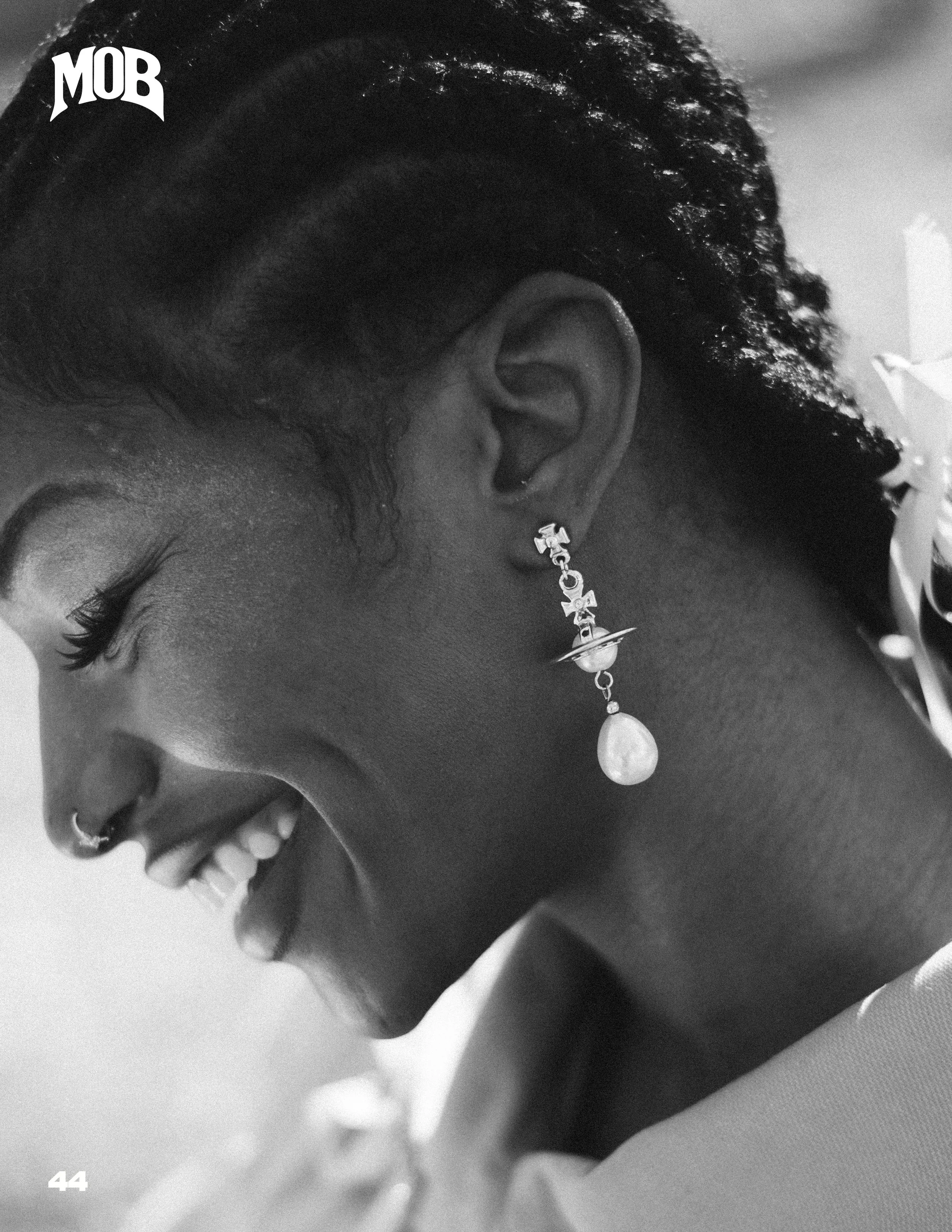
I had always worked alone on my own photoshoots. I was too intimidated to ask others to help me with lighting or styling, and I was also a bit of... a control freak. I felt that the more hands on the project - the less it would feel like my own. It wasn't until I met Isabella that I realized the importance, and necessity, of having other people on set. As a photographer, you are in charge of the vision of the project, you capture the ultimate product of creativity and solidify it into something permanent: an image. Regardless of whether you shoot digital or film, a photographer holds the last and final step in the project. But before the camera shutter snaps, there are opportunities that could make your artistic vision come even closer to life. I met my first Stylist friend while working as an intern at a production company. I met my second stylist friend on instagram. I am sure if you are interested in the fashion world, most of your friends are also interested in fashion, and what better way than to start the journey together? Your stylist is your backbone. They bring clothes and create art out of them; they are crucial to the execution of an editorial shoot. Find someone who shares your vision. Someone who can challenge your ideas and bring about an even better version of what you had in mind. Second to stylists, make friends with Models. I use the word "Model" in a loose way, because a "Model" is really just anyone who is in front of the camera. This could be a friend, family member, OR someone who professionally models with an agency. A model is your muse. They move with intention, pose with direction (sometimes your own), and hold the life of the image within their eyes. So set yourself up to meet people who want to get experimental, someone who is good at playing a character, and most importantly - someone you can laugh with when things go wrong.To build the Models character, you'll need a good Makeup Artist & Hair Stylist. If you are anything like me - I cannot do hair for shit. I can't even do my own hair let alone someone else's. So having someone else to rely on for creating the hair style you envision is imperative if you want to take your project seriously with the intentions of getting published. Same thing goes for makeup - there are people out there that are so incredibly talented and can turn any idea into reality. I have a few people I like to work with for Makeup and Hair, most of them are my close friends I met while in college. They've been with me since the beginning, and there is no better feeling than growing alongside people who want to see each other to succeed.As you gain experience, some other important team members will include: -Creative Directors
-Photo/Lighting Assistants
-Styling Assistants
-Production Assistants
-Set Designers
-Manicurists
-Producers
and many, many more...Without a budget, it can be tough to find all those people willing to work for free, and finding an affordable studio rental also seemed impossible, so most of my early shoots were done outdoors. I used natural light and shade to my advantage, and built an arsenal of locations where I felt comfortable shooting experimental projects. You don't need a studio to have an editorial shoot, and if you get scrappy enough, you could even build an "indoor" studio set outdoors, using sheets, paper, tape, and some enthusiasm. This leads me to my next tip,Tip #3: NO BUDGET IS THE BEST BUDGET.
Some may say this take is controversial, because with unlimited funds you could do unlimited things, like rent out a castle or fly in a team of makeup artists from across the country, but when you are just starting out - budgets can be intimidating. Without the overhead of needing the project to be "worth the money," you are free to fail, over and over again without penalty. Failure is the most important thing an early photographer needs. You need to have an idea, create a team, and all collectively fail at bringing the dream to reality. Within the failure is where you'll learn. Often times, it was within my failures that I found ways to improve the next time around. During all of those failed attempts at using new lighting techniques, or trying out different locations, I learned to "shine trash" with photoshop. I learned to edit. 
Tip #4: PHOTOSHOP IS YOUR FRIEND.
Sometimes things just don't go as planned. It may have nothing to do with your team and everything to do with the fact that you used the wrong aperture or shutter speed and now all of your photos are semi-out-of-focus and weirdly cropped. But instead of accepting defeat and trashing the project - try to make something out of nothing. Use the "bad" images to practice editing techniques that you wouldn't else use on other photos. Try to change the background, the colors, the contrast, maybe you want to try and paste in a fake light flare, or use a warp tool to make the weird crop even weirder. Play around with the "bad" outtakes; challenge yourself to create something you like. You may end up with something totally different than what you started with. I fuck up a lot. But I've learned my editing style through all the crap photos I've taken. So now that you've faked your way into Vogue Photographer status, created a talented team of friends, and have your final edited photos, you are ready for the last step of the editorial process: submission. Tip #5: FIND YOUR NICHE.
Before you send out emails to publications, do some research on which magazines would be a best fit for your project. There are thousands of online and print magazines that accept submissions monthly. To find out if your desired magazine accepts submissions, go to the "Contact" tab on their website. This page usually states their submission policies. Don't get discouraged if your magazine of choice does not state that they accept submissions, before I got any published work through more established magazines, I submitted my work through a site called "Kavyar." I'll attach a link below for you to copy and paste into your browser. Kavyar has hundreds of publications that are constantly accepting submissions which make getting your photos published a bit easier than cold emailing. During the submission process ensure that you credit your entire team - you wouldn't have the project without their help!If you would like to read more about my experience as a fashion photographer, or to learn more about photography in general, feel free to send me an email with any specific questions. I am always happy to help beginner photographers get their foot in the door!